ElektroG Obligation: Register Electrical Devices with stiftung ear Before Selling
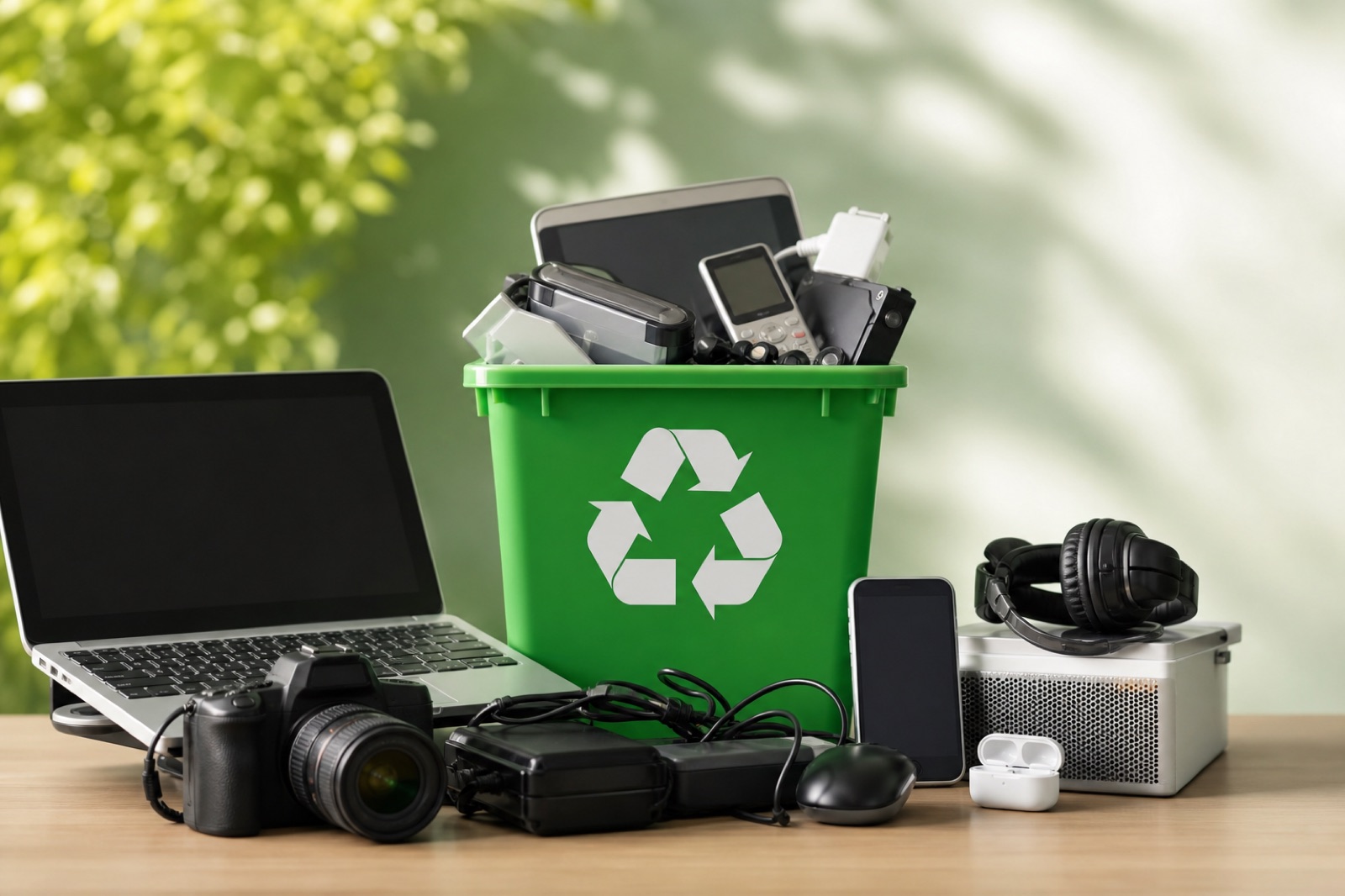
Anyone who sells electrical or electronic devices in Germany for the first time must register with stiftung ear before the first listing goes live. Without this registration, the sale is not permitted, and marketplaces block the listing even before launch.
In brief: under §§ 6, 7, 17 ElektroG, manufacturers and importers of electrical and electronic devices must register with stiftung ear before placing them on the market, provide an insolvency-proof guarantee and organise the take-back of waste devices. This affects everyone who places devices containing electronics on the market for the first time. If the registration is missing, fines of up to 100,000 euros and a sales ban are possible.
Who is subject to the ElektroG registration obligation?
The obligation applies to manufacturers and importers who place electrical or electronic devices on the German market for the first time, including accessories that contain electronics. Anyone who sells such products without first being registered with stiftung ear violates §§ 6, 7, 17 ElektroG. This applies regardless of whether the devices are manufactured in-house or imported from abroad: anyone who imports goods from an unregistered manufacturer thereby becomes the responsible first distributor and must register independently. Even those who only sell individual electronic accessories alongside an otherwise non-electronic product should check in advance whether that accessory already triggers the registration obligation.
What exactly do you have to do before the start of sales?
Before the first sale, registration with stiftung ear, an insolvency-proof guarantee for B2C devices and the organisation of take-back and disposal through a manufacturer register or take-back system are mandatory. Which of these and other obligations apply to your company specifically is shown by a tool such as Company Audit. The following steps summarise the necessary process and should be completed in this order:
- Check whether the products you sell count as electrical or electronic devices; accessories with electronics are included as well.
- Register with stiftung ear before placing them on the market and state the affected device categories.
- Provide an insolvency-proof guarantee for B2C devices.
- Organise take-back and disposal through a manufacturer register or take-back system.
- Report the quantities sold and comply with the labelling requirements: the crossed-out wheelie bin and the WEEE number.
Since marketplaces and distribution partners often ask for the WEEE registration number as early as when a listing is created, it is worth applying for the registration well ahead of the planned sales start, much like the packaging registration with LUCID, and not only shortly before.
By when and how often do you have to meet these obligations?
Registration with stiftung ear is a one-off step, but it must be completed in any case before the first sale; starting sales without a registration number is not permitted. Unlike the registration itself, the insolvency-proof guarantee must be renewed every year and the quantities of devices sold must be reported on an ongoing basis. The obligation therefore does not end with registration but continues throughout the entire period of distribution. In addition, a separate take-back obligation for waste devices in retail applies from a sales area of 400 square metres; for food retail, this threshold only applies from 800 square metres of sales area. Anyone selling below these area thresholds is exempt from the retail take-back obligation but must still ensure that the devices sold can be taken back through a registered manufacturer system.
What are the consequences of violating the registration obligation?
Anyone who sells electrical or electronic devices without a valid stiftung ear registration risks fines of up to 100,000 euros and a sales ban for the affected products. In practice, a missing registration usually becomes visible first through the WEEE registration number: without it, large marketplaces block the listing before the first sale, so the actual commercial damage often occurs even before any official inspection. Anyone who misses the registration, the guarantee or the quantity reporting during ongoing operations risks the same consequences as with a missing initial registration.
Frequently asked questions
How often does the registration with stiftung ear have to be renewed?
The registration itself is a one-off and does not have to be repeated. However, the insolvency-proof guarantee must be renewed every year and the quantities of devices sold must be reported on an ongoing basis.
Does the registration obligation also apply to imported devices?
Yes: anyone who imports devices from an unregistered manufacturer thereby becomes the responsible first distributor. In this case, the importer must register with stiftung ear independently, even if they do not produce the devices themselves.
What happens if the WEEE registration number is missing?
Without a WEEE registration number, marketplaces usually block the listing automatically. Registration should therefore take place well before sales begin, comparable to the registration obligation with LUCID, which must also be completed before the sales start.
From what sales area do retailers have to take back waste devices?
A take-back obligation in retail applies from 400 square metres of sales area. In food retail, this obligation only applies from 800 square metres of sales area.
What labelling must registered devices carry?
Registered devices must be labelled with the crossed-out wheelie bin and the WEEE number. In addition, the quantities sold must be reported regularly as part of the ongoing reporting obligation.
Source: §§ 6, 7, 17 ElektroG. This article is general information and does not replace legal advice in individual cases. As of: July 2026.
Share this article
Stay up to date
Get the latest articles, insights and industry updates straight to your inbox.
Decide for yourself what Google shows you
Google lets you choose which sources appear more prominently in your search results: in Top Stories and in AI answers. Two clicks, and you see the sites you trust.
Add provimedia.de to my preferred sourcesRelated articles
More articles you might find interesting.
Recapitulative Statement (ZM), OSS, and Intrastat in EU Trade
ZM due by the 25th of the following month, OSS filed quarterly, Intrastat from the threshold: EU reporting obligations explained compactly.
Keeping the record of processing activities (ROPA)
Almost every business holding customer data must keep a record of processing activities under Art. 30 GDPR, or face fines of up to EUR 10 million.
Registering Packaging in the LUCID Register and Reporting Quantities
Selling packaged goods? Then registering in the LUCID packaging register before you start selling is mandatory – with no de minimis threshold.
Stay on Top of Your Business Obligations
In just a few minutes, Company Audit builds your personal compliance checklist — complete with a deadline calendar, reminders and an AI assistant. Built for the self-employed and SMEs.