
Lifestyle & Magazines
Arten-Radar
arten-radar.de is a German-language online portal that provides information, identification aids and monitoring tools on native flora and fauna. It offers species profiles, observation options, citizen science projects and practical tips for protecting biodiversity.
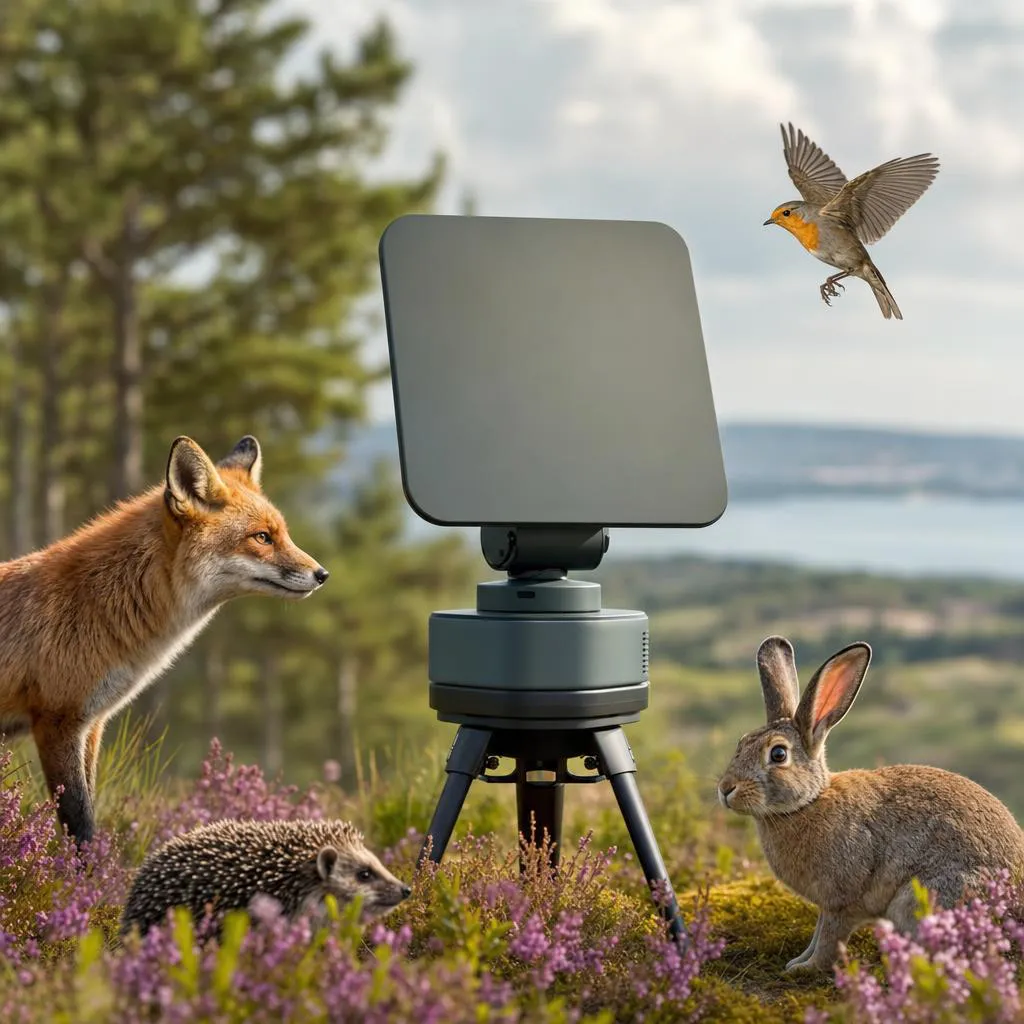
Arten-Radar is a German-language information portal on species protection, biodiversity and nature conservation. The site bundles scientifically sound knowledge on native flora and fauna and combines it with practical recommendations for everyone who is committed to preserving species diversity or deals with it professionally.
What it is about
At the center of Arten-Radar is the question of how the protection of animals, plants and their habitats can be presented in an understandable way and translated into everyday life. The portal puts complex ecological relationships in context so that they become comprehensible for laypeople and experts alike. Instead of isolated individual reports, the platform offers thematically structured articles that bring together background, current developments and concrete options for action. Topic guides bundle several articles on one focus, so that readers can work through a subject step by step. This creates a common thread that extends from basic knowledge transfer to practical implementation in your own garden, in the municipality or in a project.
Target audience
Arten-Radar is aimed at a broad audience with different needs. Nature enthusiasts and hobby gardeners find understandable introductions for getting to know the wildlife on their own doorstep better and actively supporting it. Professionals from nature conservation, environmental planning and landscape management use the well-founded content as orientation when preparing and supporting projects. Project developers, municipalities and people seeking education also benefit from the prepared information, for example when it comes to putting legal frameworks in context or selecting suitable measures. The portal thus appeals both to people dealing with the topic for the first time and to those who already have prior knowledge and are looking for in-depth, reliable assessments.
Topics & content
In terms of content, Arten-Radar is divided into several clearly delineated categories. Under Species & Habitats, mammals, birds, reptiles, insects and plants are covered and presented in their natural habitats. The category Biodiversity & Research sheds light on scientific findings and overarching relationships of species diversity. Nature Conservation & Environmental Planning is about concrete protective measures and planning aspects, while Law & Politics puts the legal and political frameworks in context. The areas Humans & Nature and Technologies & Innovation are devoted to the interplay of society and the environment as well as new approaches and tools. The offering is rounded off by the category Background & Knowledge. In addition, the portal provides practical aids: provider comparisons, for example on insect hotels, wildflower seeds, bird houses and beehives, a business directory with tools, websites and service providers, and a glossary that explains key technical terms in an understandable way.
Why Arten-Radar
The particular value of Arten-Radar lies in the combination of serious knowledge transfer and everyday orientation. Anyone who wants to get involved in protecting nature is often faced with a flood of confusing sources. The portal sorts this information and makes it accessible without losing technical depth. The thematically bundled articles make it easier to approach a focus in a targeted way instead of having to work through scattered individual pieces of information.
Added value
Visitors gain a structured overview of a multifaceted field through Arten-Radar. They receive understandable explanations of species, habitats and ecological relationships, can find out about current developments in research, law and politics, and at the same time find concrete suggestions for their own action. The provider comparisons help select suitable products for more species diversity in your own surroundings, while the business directory paves the way to further tools and service providers. The glossary ensures that even beginners can put technical terms in context with confidence. Overall, the portal saves time in research and creates a reliable basis for well-founded decisions on nature conservation and biodiversity.
Conclusion
Arten-Radar sees itself as a central point of contact for everyone who wants to understand and protect native flora and fauna better. With clearly structured categories, in-depth topic guides, practical provider comparisons and a helpful glossary, the portal combines well-founded expertise with concrete everyday orientation. The result is a versatile offering that accompanies nature enthusiasts, professionals and decision-makers alike and opens up an understandable approach to the topic of species protection.