Registering Batteries in Germany's Producer Register Before Sale (BattDG)
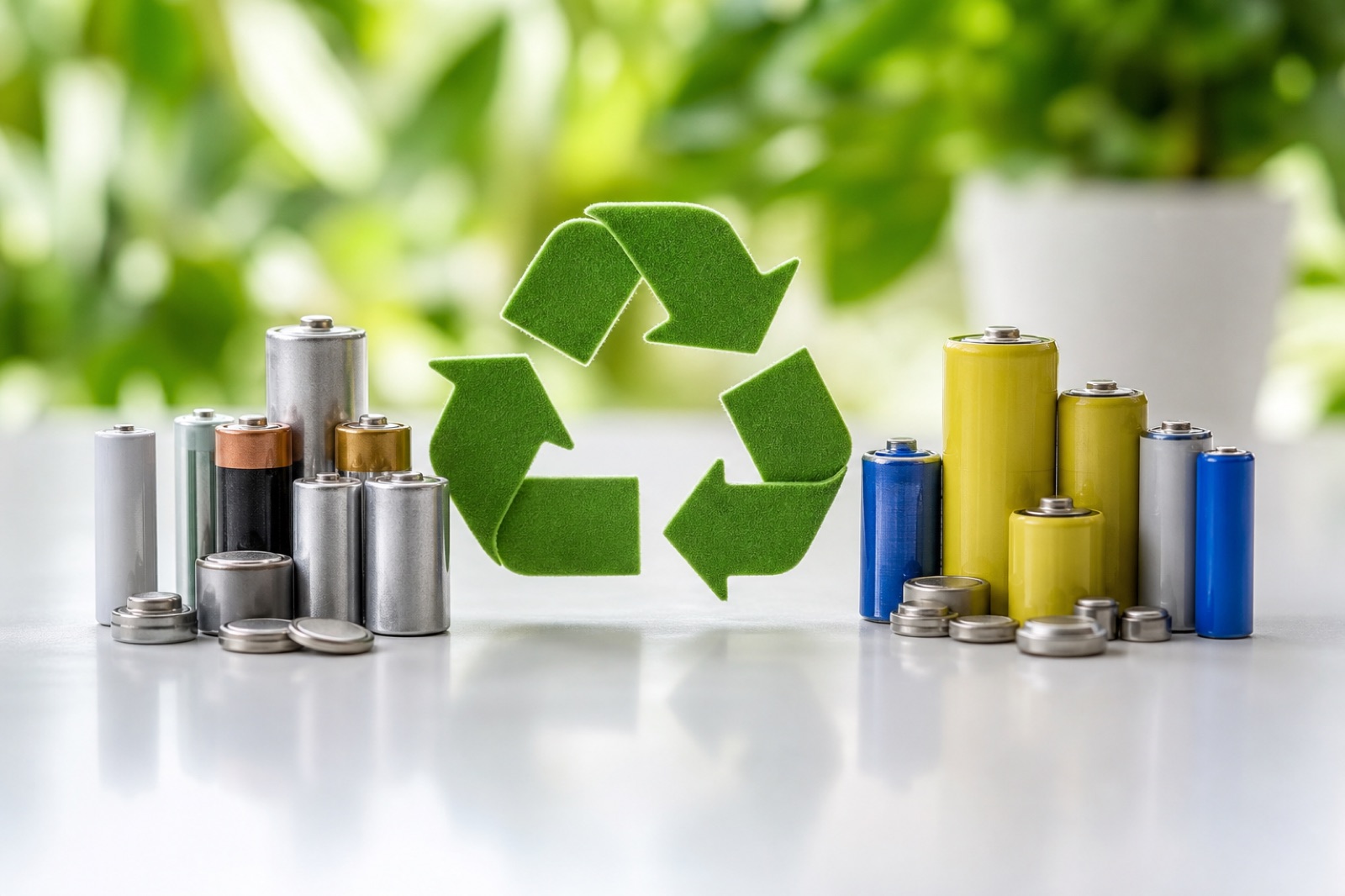
Since October 7, 2025, a new German Battery Implementation Act (Batterie-Durchführungsgesetz, BattDG) has applied in Germany: anyone who places batteries or battery-powered products on the market for the first time must register in the battery producer register beforehand. Only then is sale permitted.
In brief: Anyone who places batteries or battery-powered products on the German market for the first time must, before starting sales, register in the battery producer register with stiftung ear, demonstrate a take-back and disposal solution and meet the labeling requirements of the EU Batteries Regulation. Manufacturers and importers are affected as the parties placing products on the market. Without registration, fines of up to 100,000 euros are possible.
Why does this registration requirement exist?
The registration requirement is based on two sets of rules that apply at the same time: the Battery Implementation Act (BattDG), in force at national level since October 7, 2025, and the EU Batteries Regulation 2023/1542 at European level. Both pursue the same goal: anyone who places batteries on the market should be traceably recorded so that take-back and proper disposal work and consumers are informed about the batteries contained. Registration with stiftung ear is the central prerequisite here; without it, the legally required basis for sale is missing.
Who is affected by the registration requirement?
Every company that places batteries on the German market for the first time, individually or built into devices, is affected, whether they are loose rechargeable batteries, button cells or complete end devices. Batteries built into devices also trigger the registration requirement: power banks, toys with rechargeable batteries or cordless tools count just as much as classic household batteries. Anyone who produces or imports electronics, tools or toys with permanently installed batteries is therefore under the same obligation as a pure battery manufacturer. The only decisive factor is that the product is placed on the German market for the first time, not whether the battery is sold as a separate item or as part of a larger product.
What do you need to do in practice?
Implementing the BattDG can be handled in five steps:
- Check whether batteries are placed on the market individually or built into devices.
- Register in the battery producer register (stiftung ear) before sales begin.
- Demonstrate a take-back and disposal solution (joining a take-back system).
- Implement the labeling and information requirements under the EU Batteries Regulation.
- Report quantities and archive the records.
The first step decides everything that follows: only once it is clear in what form batteries are placed on the market, loose or built in, can the registration with stiftung ear be completed correctly. Next comes proof of a functioning take-back and disposal solution, for example by joining an existing take-back system, as well as implementation of the labeling and information requirements under the EU Batteries Regulation. The final step is the ongoing reporting of the quantities placed on the market, together with archiving of the records. A tool such as Company Audit shows at a glance which of these obligations apply to your company in detail.
By when must you register?
Registration in the battery producer register must be completed before the batteries or battery-powered products are sold for the first time; starting sales without an entry is not permitted. A one-time registration is not enough, however: the quantities placed on the market must be reported on an ongoing basis and the corresponding records archived so that the information in the register is current and verifiable at all times. Anyone who is already selling products without being registered should not postpone the registration, but catch up as soon as possible to restore a legally compliant position.
What are the consequences of a violation?
Anyone who places batteries on the market without registration in the battery producer register risks fines of up to 100,000 euros. Because registration is a prerequisite for starting sales, the risk affects not only existing stock but every new sales channel through which unregistered batteries or battery-powered products are offered. Missing take-back solutions or incomplete labeling under the EU Batteries Regulation are also among the points that can be challenged in case of doubt. For companies that carry several product lines with batteries in parallel, the risk multiplies accordingly if registration exists for only part of the range.
Frequently asked questions
What is the battery producer register?
The battery producer register is maintained by stiftung ear and records all companies that place batteries or battery-powered products on the German market for the first time. Without an entry, sale is not permitted.
Does the obligation also apply to batteries permanently built into devices?
Yes. Batteries permanently built into devices such as power banks, toys or tools also trigger the registration requirement, not just batteries sold loose.
What does the BattDG have to do with the ElektroG?
Both registers are maintained by stiftung ear. This means that anyone already registered under the ElektroG (the German Electrical and Electronic Equipment Act) can consolidate the registration for batteries in the same system instead of maintaining two separate processes.
Which legal basis applies to the registration requirement?
The decisive rules are the Battery Implementation Act (BattDG), in force since October 7, 2025, and the EU Batteries Regulation 2023/1542, which also prescribes take-back and labeling obligations.
What happens if registration is missing?
Without registration in the battery producer register, fines of up to 100,000 euros are possible, and the sale of the batteries or battery-powered products concerned is not permitted.
Source: BattDG · EU Regulation 2023/1542. This article is general information and does not replace legal advice in individual cases. As of: July 2026.
Share this article
Stay up to date
Get the latest articles, insights and industry updates straight to your inbox.
Decide for yourself what Google shows you
Google lets you choose which sources appear more prominently in your search results: in Top Stories and in AI answers. Two clicks, and you see the sites you trust.
Add provimedia.de to my preferred sourcesRelated articles
More articles you might find interesting.
Recapitulative Statement (ZM), OSS, and Intrastat in EU Trade
ZM due by the 25th of the following month, OSS filed quarterly, Intrastat from the threshold: EU reporting obligations explained compactly.
Keeping the record of processing activities (ROPA)
Almost every business holding customer data must keep a record of processing activities under Art. 30 GDPR, or face fines of up to EUR 10 million.
Registering Packaging in the LUCID Register and Reporting Quantities
Selling packaged goods? Then registering in the LUCID packaging register before you start selling is mandatory – with no de minimis threshold.
Stay on Top of Your Business Obligations
In just a few minutes, Company Audit builds your personal compliance checklist — complete with a deadline calendar, reminders and an AI assistant. Built for the self-employed and SMEs.